Lady Bug and Daisy, Decorative Numbers: Spring's Playful Design Asset
When you're building a brand or crafting a project that needs to feel fresh, approachable, and full of life, the details matter. Typography often sets the tone before a single word is read. For projects targeting families, children, or anyone with a love for nature and whimsy, a standard corporate typeface can feel cold and disconnected. This is where a specialized creative font or clipart set becomes invaluable. The Lady Bug and Daisy, Decorative Numbers collection offers a unique solution, blending functional numerals with charming springtime illustrations to create designs that truly resonate.
Visual Character and Style
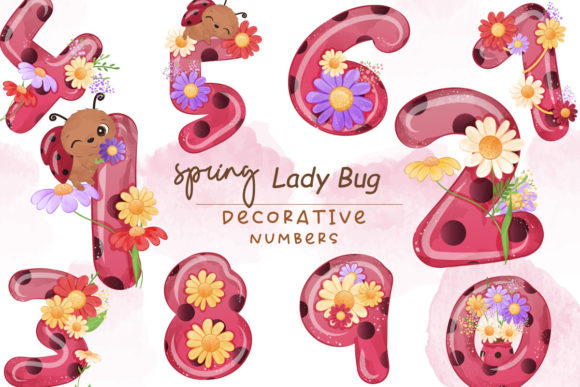
This isn't just a set of numbers; it's a miniature illustration library integrated into a functional design tool. The visual personality of Lady Bug and Daisy, Decorative Numbers is unmistakably cheerful, organic, and gentle. Each numeral is adorned with or composed of friendly ladybugs and delicate daisies, rendered in a clean, vector style. The lines are soft but defined, avoiding overly cartoonish extremes while maintaining a distinct playfulness. The color palette leans into natural spring hues—vibrant reds, sunny yellows, and fresh greens—which can often be customized in the provided editable files.
As a premium font asset, it functions more like a display font or decorative element than a workhorse for body text. Its strength lies in its high-impact, visual storytelling. The included PNG files at 300 dpi ensure crispness for print, while the editable EPS files provide the ultimate flexibility for designers to modify colors, scale elements, or integrate the graphics into more complex compositions. This adaptability is crucial for maintaining a cohesive brand identity across various applications.
Strategic Applications for Maximum Impact
Understanding where this asset shines is key to leveraging its full potential. Its inherent charm makes it perfect for specific niches where emotional connection and visual delight are priorities. Consider these practical applications:
- Children's Products and Nursery Decor: This is a natural home for the style. Use the numbers for milestone posters, growth charts, wall art, or personalized blankets. The friendly ladybugs and daisies create a soothing yet engaging environment.
- Packaging and Product Design: For artisanal goods, organic baby food, spring-themed bath products, or garden center merchandise, these numbers can elevate packaging from simple to special. They communicate care, quality, and a handmade aesthetic.
- Stationery and Invitations: Birthday party invitations, baby shower thank-you cards, and seasonal greeting cards benefit immensely from such a thematic element. It sets the event's tone instantly and memorably.
- Digital Content and Social Media: Bloggers and content creators can use these numbers for infographic elements, countdown graphics for spring sales, or as playful headers for list-based articles about gardening, parenting, or DIY crafts.
- Apparel and Accessories: The vector nature of the EPS files makes them ideal for t-shirt designs, tote bag prints, or children's clothing. The motifs are scalable without loss of quality, ensuring sharp results on fabric.
Integrating this set into your projects does more than just add decoration; it influences perception. The organic, handmade feel can make a brand appear more trustworthy and approachable. For a small business, using such a distinctive design asset helps build recognition—a customer might not remember a name, but they'll remember the brand with the charming ladybug numbers. This contributes to stronger brand identity and audience engagement, as the visuals evoke a specific, positive emotion.
Practical Integration and Design Considerations
While the appeal is broad, thoughtful application ensures professionalism. Here’s how to approach using Lady Bug and Daisy, Decorative Numbers effectively:
- Evaluate Project Fit: Does your project's core message align with themes of spring, nature, childhood, or whimsy? If your brand is corporate finance or industrial tech, this might be a stylistic mismatch. For lifestyle, education, family, or artisanal brands, it's a strong contender.
- Master the Font Pairing: This decorative set demands a complementary, simpler partner for body text. Pair it with a clean sans serif font for modern contrast or a gentle serif font for a more traditional, storybook feel. Avoid pairing it with other highly decorative or script fonts, as this can create visual chaos and harm readability.
- Test for Readability and Hierarchy: Use these numbers for headlines, key dates, or featured prices—not for long paragraphs or fine print. Their decorative nature ensures they grab attention, but they should support, not hinder, the user's ability to process information quickly. In web design or editorial design, reserve them for hero sections or pull quotes.
- Leverage the Editable Files: The provided EPS file is your playground. Don't just use the numbers as-is. Isolate a single ladybug or daisy to create a custom border, favicon, or logo mark. Adjust the colors to match your exact brand palette for seamless integration into your packaging design or social media graphics.
- Understand the Licensing: As a commercial font and clipart set, ensure you review the license terms. Typically, such assets allow for use in end products for sale (like t-shirts or invitations) but prohibit reselling the raw files. This is standard for protecting the creator's work and your investment.
Ultimately, the Lady Bug and Daisy, Decorative Numbers set is more than a collection of files; it's a strategic tool for injecting personality and warmth into your creative work. By using it intentionally—matching it to the right project, pairing it wisely, and exploring its editable potential—you can transform ordinary designs into memorable experiences that connect with your audience on a human level. It’s a small detail that can make a significant difference in how your project is perceived and remembered.