Spring Decorative Plant Design: Elevating Your Visual Projects
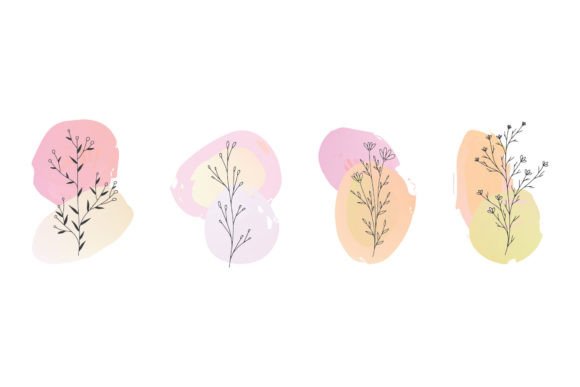
There is a specific energy that comes with the arrival of spring—it is fresh, organic, and vibrant. As a designer or content creator, capturing that seasonal shift in your work often requires more than just a change in color palette. It demands assets that breathe life into your layouts. This is where the Spring Decorative Plant Design collection stands out. It is not merely a set of images; it is a versatile toolkit built for the modern creative professional who needs flexibility without sacrificing quality.
The Anatomy of a Versatile Design Asset
When we talk about high-quality design assets, we are looking for two things: aesthetic appeal and technical reliability. The Spring Decorative Plant Design collection delivers on both fronts. Visually, these designs capture the delicate textures of spring foliage and botanical elements. They possess a personality that is organic and refreshing, moving away from the rigid geometry often found in standard corporate branding. This makes them ideal for projects that need a human touch—think artisanal branding, wellness blogs, or boutique packaging.
However, the true value lies in the technical specifications. The collection is available in six distinct formats: AI, EPS, SVG, JPG, PNG, and DXF. For the uninitiated, this might seem like technical jargon, but for a working professional, it is the difference between a smooth workflow and a headache.
- AI and EPS files are the gold standard for graphic designers using Adobe Illustrator. They are vector-based, meaning you can scale the Spring Decorative Plant Design to the size of a billboard or a postage stamp without losing a single pixel of quality.
- SVG files are crucial for web designers and developers. They keep file sizes small while maintaining crispness on any screen resolution, which is vital for responsive web design.
- JPG and PNG files offer immediate usability for marketers and bloggers. The PNG format, with its transparency capability, is particularly useful for layering these botanical elements over photos or textured backgrounds in social media graphics.
- DXF files cater to the maker community—those using Cricut or Silhouette machines to create physical vinyl decals, stencils, or paper cutouts.
Practical Applications for Modern Creators
Understanding where to deploy the Spring Decorative Plant Design is key to maximizing its potential. Because the canvas size is set at a generous 1920 px by 1280 px, these assets are immediately optimized for digital landscapes, including website hero sections, video thumbnails, and digital presentations.
Branding and Packaging
If you are building a brand identity for a client in the wellness, beauty, or organic food space, these plant designs can serve as a cornerstone of your visual language. Instead of using generic stock photos, integrating these custom botanical elements into your packaging design or logo design can create a unique texture that competitors lack. It helps in building a cohesive brand perception that feels curated and intentional.
Editorial and Publishing
For publishers and bloggers, visual hierarchy is everything. You need to guide the reader’s eye down the page. Using the Spring Decorative Plant Design as section dividers, background textures, or accent graphics can break up long blocks of text, improving readability and engagement. It adds a layer of professionalism to editorial design that plain text simply cannot achieve.
Digital Marketing and Social Media
Social media is a crowded space. To stop the scroll, your content needs to be visually distinct. These designs work exceptionally well for creating themed campaigns. For example, a "Spring Sale" or a "Garden Party" event can be marketed using these assets across Instagram stories, Pinterest pins, and Facebook ads. The consistency of using the same high-quality plant elements across different platforms reinforces brand recognition.
Design Strategy: Pairing and Professionalism
One of the most common questions I encounter from junior designers is about font pairing and asset integration. The Spring Decorative Plant Design is a visual element, but it interacts heavily with your typography. Because these designs have an organic, often intricate style, they pair best with clean, modern typography.
Avoid using overly decorative or script fonts directly on top of complex plant designs, as this creates visual clutter and hampers readability. Instead, opt for a clean sans serif font or a sturdy serif font for your headlines. Let the plants act as the supporting cast—framing the text or adding color to the margins—rather than competing with it. This approach ensures your message is heard while the design enhances the mood.
Technical Ease and Editability
A major pain point in the creative industry is the "locked" asset—files that are difficult to modify. We guarantee that these designs are easy to use and can be edited as needed. This is a crucial feature for maintaining visual consistency. If your brand palette is shifting from bright pastels to muted earth tones, you need to be able to adjust the colors of your assets to match.
Because the files are editable (particularly the vector formats), you have full control. You can ungroup elements, change line weights, or isolate a single leaf from a larger composition. This level of control transforms the asset from a static picture into a dynamic design component. It allows you to maintain brand consistency across different media, whether you are printing on textured paper or displaying on a high-definition screen.
Final Thoughts on Utility
In the fast-paced world of content creation, efficiency is currency. Having a reliable set of design assets like the Spring Decorative Plant Design collection saves time and reduces the friction of the creative process. It allows entrepreneurs, hobbyists, and seasoned designers alike to produce high-quality work quickly.
Whether you are crafting a wedding invitation, designing a menu for a farm-to-table restaurant, or building a seasonal marketing campaign, these designs offer the flexibility and quality required to make your project shine. They are not just decorations; they are tools for storytelling, helping you convey a sense of renewal, growth, and natural beauty in every project you undertake.