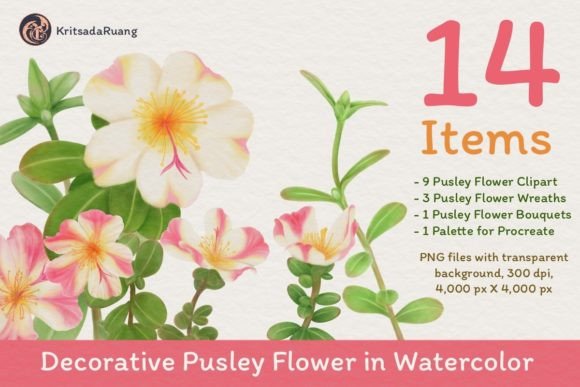
Plant Flower Decorative: A Designer's Guide to Organic Elegance
The search for the right typeface often feels like searching for a specific voice in a crowded room. You need something that speaks with clarity but also carries a distinct personality. This is where a creative font like Plant Flower Decorative steps in. It is not merely a set of characters; it is a design asset that brings the fluidity and intricate beauty of the natural world into digital and print projects. For designers, marketers, and small business owners, understanding how to harness this specific style of modern typography can be the key to unlocking a project's full potential.
The Visual Character of an Organic Typeface
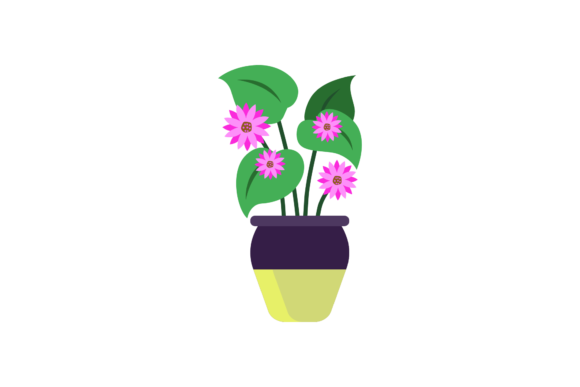
At its core, Plant Flower Decorative is a premium font that draws direct inspiration from botanical forms. You will notice letterforms that mimic the curl of a vine, the soft curve of a petal, or the elegant structure of a leaf. It operates as a display font, meaning its primary strength is in headlines, logos, and short, impactful text rather than long paragraphs. Its style leans towards a decorative script or a highly stylized serif, depending on the specific design, but it consistently avoids the rigidity of a standard sans serif font.
The personality of this typeface is organic, artistic, and sophisticated. It does not shout for attention with bold geometric shapes; instead, it invites the viewer in with its detailed, handcrafted aesthetic. This makes it an excellent choice for projects where the goal is to convey authenticity, creativity, or a connection to nature. Unlike a stark, minimalist typeface, Plant Flower Decorative carries an inherent warmth, making it perfect for brands that want to feel approachable yet professional.
Strategic Applications: Where This Font Excels
Choosing the right context for a creative font is just as important as choosing the font itself. Plant Flower Decorative shines in specific applications where its detailed nature can be appreciated without compromising functionality.
Branding and Logo Design
For brand identity, this typeface is a powerful tool. It works exceptionally well for businesses in the wellness, beauty, artisanal food, or eco-friendly sectors. A logo using Plant Flower Decorative immediately signals a brand's values—natural ingredients, careful craftsmanship, and environmental consciousness. It is particularly effective when used for the primary wordmark, paired with a clean, neutral sans serif for supporting text. This contrast ensures the brand name is memorable while the contact information remains legible.
Packaging and Editorial Design
In packaging design, the font can transform a simple product label into a piece of art. Imagine a tea label, a scented candle box, or a cosmetic bottle featuring this typeface. It elevates the perceived value of the product, suggesting that what is inside is just as refined as the presentation. Similarly, in editorial design, such as magazine headlines or chapter titles in a book, it adds a layer of visual interest that a standard serif font cannot achieve. It sets a mood before the reader even engages with the body copy.
Digital and Social Media Presence
While detailed fonts can sometimes be challenging on small screens, Plant Flower Decorative can be highly effective in social media graphics and web design when used judiciously. It is perfect for hero section titles on a website, Pinterest pins, or Instagram story headers where a strong visual statement is needed. The key is to ensure the size is large enough for the intricate details to render clearly, maintaining readability across different devices.
Influence on Visual Hierarchy and Brand Perception
A typeface does more than spell out words; it shapes how an audience perceives and processes information. The use of Plant Flower Decorative has a direct impact on several key aspects of design strategy.
First, it establishes a clear visual hierarchy. Because it is a display font, it naturally commands the top position in a layout. By using it for headlines and pairing it with a more subdued body font, you guide the viewer’s eye exactly where you want it to go. This creates a seamless reading experience, even in complex layouts.
Second, it influences brand perception. Typography is one of the fastest ways to communicate a brand's personality. Using a botanical decorative font tells the audience that the brand values aesthetics, detail, and perhaps a slower, more thoughtful approach to business. It builds brand identity consistency; when this font is used across business cards, websites, and social media, it creates a cohesive and recognizable look that fosters trust and recognition.
Finally, it boosts audience engagement. In a digital landscape saturated with generic Arial and Helvetica, a unique typeface stands out. It can stop a user mid-scroll, encouraging them to read the headline and engage with the content. This is particularly valuable for content creators and bloggers who need to capture attention quickly.
Practical Guidance for Implementation
Integrating a new design asset into your workflow requires a practical approach. Here is how to effectively evaluate and use Plant Flower Decorative.
Evaluating Project Fit and Readability
Before committing, test the font against your project's specific needs. Does the mood of the font align with your message? A highly ornate script might not be the best fit for a serious corporate law firm, but it is ideal for a wedding planner or a florist. Always test for readability. Print out a sample at the size you intend to use it. If the letters blur together or become difficult to decipher, consider using it only for very large, standalone words.
Mastering Font Pairings
The success of a decorative font often lies in its companion. Font pairing is essential. Because Plant Flower Decorative is expressive, it requires a grounding partner. A geometric sans serif font often works best for body copy, as its clean lines provide a necessary contrast to the organic curves of the display font. Avoid pairing it with other decorative or handwritten fonts, as this creates visual chaos. The goal is balance: the display font provides the flair, and the secondary font provides the structure.
Reviewing the Asset Package
This specific asset package includes multiple formats to ensure versatility across different software and platforms. You receive the design in AI, EPS, SVG, JPG, and PNG formats. The vector files (AI, EPS, SVG) are crucial for professional work, especially for logo design and large-format printing, as they can be scaled to any size without losing quality. The JPG and PNG files are ready-to-use for digital projects and social media graphics. Always check the commercial licensing terms to ensure your specific use case—whether for a client project or merchandise—is covered.
Ensuring Consistency
Once you decide to use Plant Flower Decorative, use it consistently. Define specific rules for its application within your style guide. For example, specify that it should only be used for H1 headings or logo marks, and never for body text. This discipline ensures that the font retains its impact and does not dilute the brand's professional appearance over time.
Ultimately, Plant Flower Decorative is more than just a file to download; it is a tool for storytelling. It offers a way to infuse projects with personality, warmth, and a distinct sense of style that resonates with audiences seeking authenticity. By understanding its strengths and applying it with strategic intent, you can transform ordinary designs into memorable visual experiences.