Decorative Red Ribbon: Realistic Silk Band for Designers
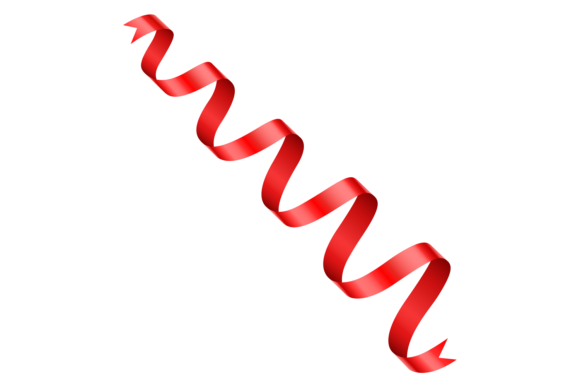
In the world of digital design, finding a texture that feels genuinely tangible is rare. We often settle for flat colors or generic gradients, but the Decorative Red Ribbon. Realistic Silk Ba offers something distinct. This isn't just a digital asset; it is a carefully crafted element designed to mimic the delicate folds and sheen of actual silk. The visual characteristics of this ribbon center on its fluidity and depth. Unlike stiff vector strips, this design captures the way light catches the weave of silk, creating a natural interplay of highlights and shadows.
The "realistic" aspect is crucial here. When you zoom in, you don't see pixelation or a flat plane. You see the texture of the fabric, the subtle creases where the ribbon curls, and the rich saturation of the red pigment. This level of detail brings a tactile quality to your projects. It feels luxurious and high-end, bridging the gap between a flat digital screen and a physical object. For anyone working in logo design or packaging design, this texture adds an immediate layer of sophistication that standard vector shapes cannot achieve.
Practical Applications in Branding and Packaging
The versatility of the Decorative Red Ribbon. Realistic Silk Ba makes it a powerful tool across various industries. Because the asset is available in EPS, JPG, SVG, and transparent PNG formats, it integrates seamlessly into almost any workflow, whether you are using Adobe Illustrator for vector work or Photoshop for raster compositing.
Consider the impact on brand identity. A luxury bakery, a high-end jewelry brand, or a boutique gift shop often relies on tactile cues to communicate value. Using this ribbon in your logo design or on your storefront signage can instantly evoke feelings of celebration, elegance, and care. It acts as a visual shorthand for "premium." In packaging design, placing this ribbon element around a product box mockup can sell the unboxing experience before the customer even buys the product. It tells a story about the quality inside.
Beyond physical products, the Decorative Red Ribbon excels in editorial design and social media graphics. If you are a blogger or a content creator, you know the struggle of stopping the scroll. A static image can feel ignored, but an image accented with a realistic silk ribbon draws the eye. It works exceptionally well for holiday promotions, sale announcements, or "Staff Pick" badges on e-commerce sites. The red color naturally commands attention, making it an ideal accent for calls to action.
Integrating the Asset into Modern Typography
One of the most common questions creative professionals ask is how to mix organic textures with clean typography. The Decorative Red Ribbon. Realistic Silk Ba works best when paired with typefaces that offer contrast without competition. Because the ribbon is intricate and textured, it pairs beautifully with clean sans serif fonts for body text. The simplicity of a sans serif allows the ribbon's details to shine without making the layout feel cluttered.
However, if you are aiming for a more traditional or luxurious aesthetic, pairing the ribbon with a serif font can create a timeless look. Think of wedding invitations or high-end restaurant menus. The key is visual hierarchy. The ribbon should frame or accentuate the text, not bury it. For example, using the ribbon to underline a headline or wrap around a logo mark can guide the viewer's eye exactly where you want it.
Avoid pairing this asset with overly complex script fonts or handwritten fonts unless the script is very legible. Two highly decorative elements can clash, leading to visual noise that reduces readability. When in doubt, let the creative font of the ribbon be the star of the show, and keep your typography grounded and professional.
Technical Considerations for Web and Print
When utilizing design assets like the Decorative Red Ribbon, technical execution matters as much as aesthetic choice. For web design, the transparent PNG format is your best friend. It allows you to overlay the ribbon on top of various background colors or images without worrying about a white box surrounding the texture. This is essential for creating seamless hero images or blog post featured images.
For print projects, such as flyers or business cards, the EPS or SVG vector formats are superior. These ensure that the ribbon remains crisp and high-resolution regardless of how much you scale it up. You can print this on a billboard or a business card, and the fidelity of the silk texture will remain intact. This scalability is a hallmark of premium font and asset design.
When testing this asset in your projects, pay attention to color harmony. Red is a dominant color. In modern typography and design, balance is everything. If your brand palette is already heavy on warm tones, ensure the red ribbon complements rather than clashes. Often, placing the red ribbon against a neutral background—white, cream, charcoal, or black—yields the most striking results. This high contrast ensures the "realistic" nature of the silk is fully visible.
Evaluating Fit for Your Creative Projects
Not every project requires a realistic silk texture. It is important to evaluate the "personality" of your project. If you are designing for a tech startup focusing on minimalism and code, a realistic ribbon might feel out of place. However, if you are working on a Valentine’s Day campaign, a Christmas newsletter, a fashion lookbook, or a celebration announcement, the Decorative Red Ribbon is an invaluable addition to your toolkit.
For entrepreneurs and small business owners, this asset offers a way to elevate DIY designs. You don't need to hire a photographer to shoot a physical ribbon; you can use this digital version to create professional-looking coupons, gift certificates, or loyalty cards. It adds a layer of professionalism that generic clip art cannot match.
Ultimately, the value of the Decorative Red Ribbon. Realistic Silk Ba lies in its ability to add warmth and humanity to digital spaces. In an era where so much content feels sterile and algorithmic, a touch of realistic texture can make your brand feel more approachable and genuine. Whether you are a crafter, a marketer, or a publisher, using this asset effectively can help you create designs that resonate emotionally with your audience, driving better engagement and recognition.