Decorative Greenery: A Designer's Botanical Toolkit
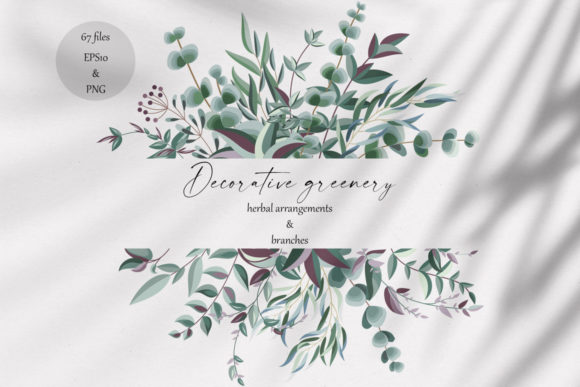
There’s a reason botanicals never go out of style. They bring life, texture, and an organic warmth to any design. But finding high-quality, versatile greenery assets that don’t look generic or require hours of editing can be a real challenge. That’s where a well-curated collection like Decorative Greenery changes the game. This isn't just a set of random leaves; it's a comprehensive toolkit of herbal arrangements and individual plant elements, meticulously crafted for professional use. The collection is built around a core promise of flexibility, with every element provided in fully editable vector (EPS10) and high-resolution raster (PNG) formats.
Understanding the Visual Language and Versatility
The personality of this greenery collection strikes a perfect balance between contemporary elegance and timeless, natural beauty. The illustrations have a clean, modern line work that feels fresh and intentional, avoiding the overly ornate or fussy look of some vintage botanical art. Yet, they retain an organic hand-drawn quality that prevents them from feeling sterile or overly digital. This makes them exceptionally adaptable. They can seamlessly integrate into a sleek, minimalist branding project for a modern wellness startup or add a touch of sophisticated nature to a vintage-inspired wedding suite. The overall appeal lies in this chameleon-like quality—it’s a design asset that can be dressed up or down to match the specific voice and aesthetic of a project.
Where This Collection Truly Shines: Real-World Applications
The practical applications for a set like Decorative Greenery are vast, limited only by the project's need for a natural, organic touch. For designers and brand strategists, these elements are gold. They can form the cornerstone of a brand identity for businesses in the wellness, beauty, food, or lifestyle sectors. Imagine a skincare brand using a delicate herbal arrangement as a subtle watermark on packaging or a café owner incorporating a single, bold leaf element into their logo design. The consistency of using the same curated set of botanicals across all touchpoints—from the website and social media graphics to business cards and product tags—builds a powerful and recognizable visual identity.
Beyond branding, the utility extends into the realms of publishing and marketing. For editorial design, a well-placed set of greenery can frame a magazine feature, break up text-heavy pages, or serve as a beautiful chapter opener. In packaging design, these illustrations can elevate a simple box or label, suggesting quality, natural ingredients, and artisanal care. The collection is equally at home in the digital space. Content creators and bloggers can use the elements to create unique social media post templates, Instagram story highlights, or Pinterest graphics that stand out in a crowded feed. The high-resolution PNGs with transparent backgrounds make this drag-and-drop simple, while the vector EPS files offer unlimited scalability for large-format projects like posters or wall art.
Making It Work for You: Practical Selection and Use
So, how do you choose and effectively use a creative asset like this? First, consider the project's tone. The modern, slightly stylized look of these plant elements works brilliantly for contemporary and fine-art aesthetics. If your project demands hyper-realistic, photographic botanicals, this might not be the right fit. But for everything from greeting cards and gift wrapping to textile patterns and scrapbooking, it’s an excellent choice.
When integrating the greenery, think about visual hierarchy and balance. A single, strong leaf element can act as a focal point or a clever way to frame a piece of text. More complex herbal arrangements can serve as elegant borders or background textures. A key advantage here is the editability. Because the files are fully editable, you are not locked into the original color palette. You can easily change the colors to match a specific brand hex code, a wedding theme, or the mood of a design. Need a muted sage green for a sophisticated poster? Done. A vibrant emerald for a bold social media graphic? Just as easy. This level of control is what separates premium font and asset collections from more basic offerings.
Before finalizing any design, always test for readability and integration. If you're layering greenery over text, ensure there's enough contrast. Use the botanicals to guide the viewer's eye, not obstruct it. For commercial projects, it's essential to review the licensing. A collection like this, with its clear structure of 40 individual elements and 13 pre-made arrangements, is typically licensed for broad commercial use, covering everything from client work to products for sale. This clarity is crucial for professional designers and entrepreneurs who need to operate with confidence.
In the end, a resource like Decorative Greenery is more than just a set of pretty pictures. It’s a strategic design asset. It solves the practical problem of sourcing high-quality, consistent botanical elements while offering the creative freedom to make each project unique. By understanding its strengths and applying it thoughtfully, you can add a layer of natural sophistication and professionalism that resonates with your audience, whether they’re holding a wedding invitation, browsing a website, or unwrapping a gift.